Global network



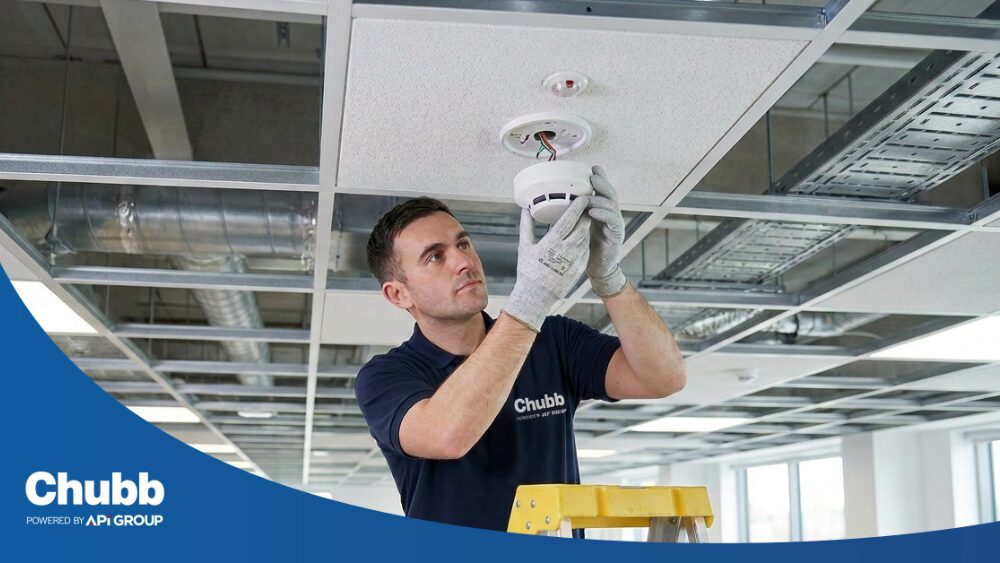

Future-Ready Fire Alarm Upgrade Delivered with Minimal Disruption at Major Irish Commercial Hub
By [email protected] | 1st October 2026
Overview
Chubb Fire & Security Ireland (Chubb) has completed a major fire alarm network replacement at a large mixed-use commercial and technology hub in County Cork, providing the client with a modern, reliable and fully commissioned system designed to support the site for years to come.
The large development incorporates offices, retail warehousing, car dealerships and a retail park offering shopping, banking, restaurants and other amenities.
The existing fire alarm installation comprised a five-panel Ziton network that was approaching the end of its serviceable life. With parts expected to become increasingly difficult to source as production is phased out, the client needed a long-term solution that would address future maintenance and reliability concerns while minimising disruption to ongoing operations.
Following consultation with the client, Chubb developed and delivered a complete migration to an Advanced open-protocol fire alarm system using Apollo XP95 devices.
Challenge
Replacing a live, multi-panel fire alarm network within an operational commercial environment required careful planning.
The existing Ziton system consisted of five interconnected panels and associated field devices. As the equipment approached end of life, maintaining the system over the longer term presented an increasing challenge, particularly as replacement components become harder to source.
The client therefore required a solution that would provide greater confidence in the future reliability and maintainability of its fire alarm infrastructure.
Operational continuity was another important consideration. With businesses continuing to operate across the site, Chubb needed to plan the changeover carefully to keep disruption to a minimum while ensuring the replacement system could be installed, tested and commissioned efficiently.
Solution
Chubb worked closely with the client to understand the site’s operational requirements, budget and future maintenance needs before presenting several potential upgrade options.
An Advanced open-protocol fire alarm system using Apollo XP95 devices was selected as the preferred solution, providing a modern, flexible and serviceable replacement for the ageing Ziton installation.
Delivery was carefully planned across two key stages. During the first visit, Chubb upgraded the fire alarm network and prepared the infrastructure for the subsequent system replacement, with the works organised around the client’s operations. A dedicated installation and commissioning team then returned to complete the full changeover. All five legacy panels and their associated field devices were replaced, before the new system was programmed, tested and commissioned.
The complete installation and commissioning stage was successfully delivered during one extended working-day visit, demonstrating how careful preparation and experienced project delivery can significantly reduce disruption during a complex multi-panel fire alarm replacement.
Chubb’s support also extended beyond the physical installation. Each new fire alarm panel was professionally branded, while comprehensive system downloads, including associated field-device information, were provided for every panel.
User instructions were left at each panel location and the client received a clear handover package to support effective day-to-day system management. Chubb also scheduled a complimentary return visit to familiarise on-site staff with operation of the new panels.
Results
The completed project has provided the client with a fully commissioned, future-ready fire alarm system, addressing the maintenance and reliability risks associated with its ageing equipment.
The project was delivered with minimal disruption to ongoing operations, with the main panel and device replacement, programming, testing and commissioning completed within a demanding one-day installation window.
According to the project feedback, the client was very satisfied with Chubb’s planning, communication and execution throughout the works.
The project also provides a strong example of how organisations operating legacy fire alarm systems can plan their migration before ageing equipment and diminishing parts availability become a more significant maintenance issue.
It also demonstrates a proven approach that could be replicated across other commercial buildings facing similar challenges with ageing fire alarm infrastructure, combining careful planning, efficient installation and commissioning with comprehensive handover and ongoing support.