

FIRE DETECTION

A fire detection system is more than a collection of devices. It is a connected life-safety solution that must identify potential fire conditions, communicate clearly, and support an effective response. The right approach depends on how your premises are used, the hazards present, the people who may need assistance and the impact an interruption could have on your organisation.
Chubb works with businesses to understand these factors and identify appropriate fire detection systems. Our consultative approach helps you consider risk, duty of care, regulatory requirements, and long-term value – not just the initial purchase of equipment.


Every site has different requirements. Offices, retail environments, warehouses, manufacturing facilities, healthcare settings, and multi-site estates can present quite different detection challenges. A suitable design should consider building configuration, evacuation arrangements, environmental conditions, business processes and any need to integrate with wider fire safety systems.
Chubb can help translate these requirements into a clear fire detection strategy, providing a structured basis for system selection and future management.
Organisations commonly review their arrangements following a change of use, refurbishment, extension, updated risk assessment, recurring faults, unwanted alarms, or concerns about ageing equipment. A review can also help determine whether existing fire detection systems remain appropriate for current operations and responsibilities.
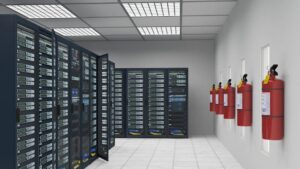
Depending on the application, a solution may include automatic fire detectors, manual call points, control and indicating equipment, audible and visual warning devices, interfaces and supporting monitoring or management capabilities. Device selection should reflect the environment in which it will operate and the type of risk that needs to be identified.
Using the correct fire detector in the correct location can help reduce unwanted activations while supporting dependable detection. The overall system should also make status information easy to understand for authorised users.
A fire detection system identifies signs associated with fire, provides warning and communicates system status. It can include detectors, manual call points, control equipment, sounders, visual alarms, and interfaces.

Detector selection depends on the environment, fire signatures, ceiling height, airflow, normal activities, and the need to minimise unwanted alarms. A competent assessment should inform the choice.
Review it when the building, occupancy, processes, or risk assessment changes, and when performance, maintainability or compatibility concerns arise.
Depending on the system and site requirements, interfaces may support functions such as door release, plant shutdown, smoke control, or remote signalling. Integration should be carefully designed, documented, and tested.
Routine maintenance helps identify faults, confirms that devices and warning functions remain operational, and supports reliable records for those responsible for the premises.

A fire detection system needs to remain effective as buildings, occupancy, and operational risks change. Planned inspection, testing and maintenance can help identify faults, support system availability, and provide clearer records for responsible persons.
Chubb can support a lifecycle approach encompassing consultation, system design, installation, commissioning, maintenance, and future adaptation, subject to the needs of your site.

Oops! We could not locate your form.
 Privacy Policy and Terms of Service apply.
A global organisation
Chubb’s global footprint, and local expertise is reflected in its
12,000+ team, working from 200+ offices across 17 countries.
Get in touch with our regional offices
We deliver our services through a global network of over 12,000 highly specialised and fully compliant staff, 200+ branches and more than 20+ monitoring centres worldwide, providing a customised local service supported by expert teams, 24/7, 365 days a year.
 Global network


