ACCESS CONTROL SOLUTIONS

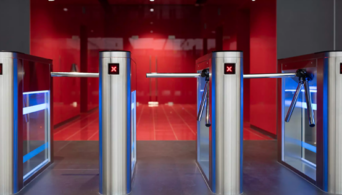
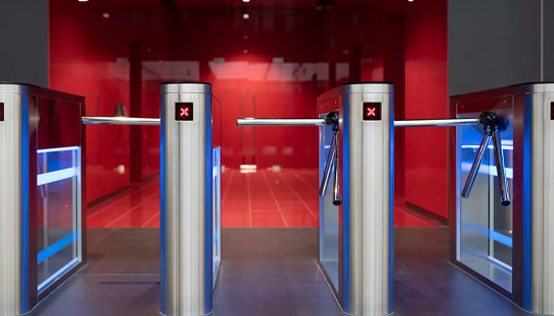
Different areas require various levels of control. A main entrance, warehouse, plant room, office floor, and high-value storage area may each need a distinct access policy. Your solution should reflect the consequence of unauthorised entry while allowing legitimate users to move efficiently.
By aligning access permissions with roles, times and locations, businesses can strengthen operational control without creating unnecessary friction.
Smart access control can support more convenient credential options, remote administration, and timely permission changes, depending on the chosen platform. It can be particularly useful for organisations managing hybrid work, contractors, temporary users, or multiple premises.
The right design should also consider resilience, cyber security responsibilities, data governance and what happens if connectivity or power is interrupted.
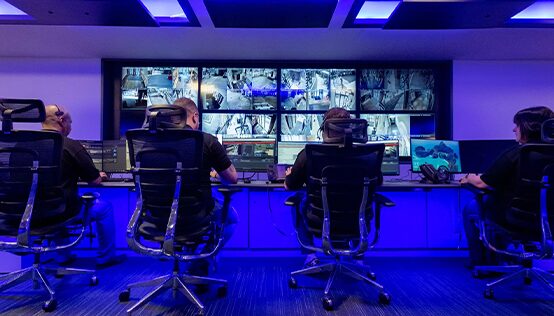
Access control solutions may be integrated with video surveillance, intercoms, intruder detection, visitor processes, or wider security management systems. Used appropriately, integration can help authorised teams verify events, simplify selected tasks, and build a more consistent operational picture.
Integration should have a defined purpose. Chubb can help assess where connected workflows may add value and where standalone operation may be more proportionate.

Permissions, door hardware, software, and user requirements change over time. Access control maintenance helps identify faults, maintain system performance, and support the continued operation of critical entry points.
A lifecycle plan may include preventive maintenance, corrective support, software considerations, user administration reviews, and planned upgrades. This can reduce uncertainty and help protect the original investment.
It is a combination of technology, door hardware, software, policies, and support used to manage who can enter controlled areas and under what conditions.

Products are the individual components, such as readers and controllers. A solution brings products together with design, installation, configuration, processes, integration, and ongoing support.
It can reduce reliance on conventional keys for controlled doors. The appropriate arrangement depends on door use, emergency requirements, resilience, and the building’s operating procedures.
The term often refers to connected capabilities such as mobile credentials, centralised or remote administration, automation, and integration. Available features depend on the platform and configuration.
The frequency should reflect manufacturer guidance, system criticality, usage, environment, and contractual requirements. A planned maintenance schedule should be agreed for the specific system.

Oops! We could not locate your form.
 Privacy Policy and Terms of Service apply.
A global organisation
Chubb’s global footprint, and local expertise is reflected in its
12,000+ team, working from 200+ offices across 17 countries.
Get in touch with our regional offices
We deliver our services through a global network of over 12,000 highly specialised and fully compliant staff, 200+ branches and more than 20+ monitoring centres worldwide, providing a customised local service supported by expert teams, 24/7, 365 days a year.
 Global network